Pantry pest eradication in historic Boston properties requires architectural containment rather than simple aerosol spraying. In neighborhoods like the North End, Beacon Hill, and Charlestown, centuries-old brownstones…
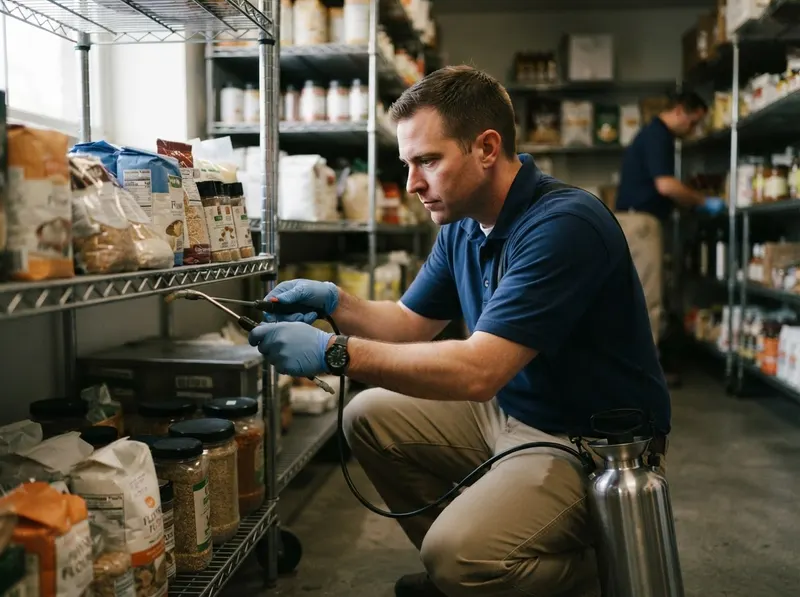
Pantry pest eradication in historic Boston properties requires architectural containment rather than simple aerosol spraying. In neighborhoods like the North End, Beacon Hill, and Charlestown, centuries-old brownstones and row houses feature shared brick party walls and lath-and-plaster cabinetry. Larval insects such as *Plodia interpunctella* (Indian meal moth) and *Oryzaephilus surinamensis* (sawtoothed grain beetle) migrate through baseboard gaps, unsealed wainscoting, and floorboard seams into adjacent rooms. Laxora Exterminating conducts thorough source-point identification, isolating infested grains, pet foods, dried legumes, and spices. We remove compromised dry goods, vacuum microscopic pupae from subfloor gaps, and place species-specific synthetic sex-pheromone monitoring traps to establish containment lines.
Decision-fit considerations center on localized botanical vacuuming and void extraction versus broad-spectrum aerosol treatments. If an infestation is confined to sealed cabinetry, physical extraction combined with target desiccant dusts in wall penetrations delivers long-term remediation without contaminating food preparation surfaces. If larvae penetrate structural cavities behind antique built-ins, targeted micro-injections of non-staining insect growth regulators (IGRs) halt adult molting while preserving delicate historic woodwork. Surface-level consumer sprays fail because pupae routinely shelter up to 20 feet away from food items behind baseboards and decorative crown moldings.
Multi-family brownstones in Back Bay and South Boston, as well as triple-deckers in Dorchester, Jamaica Plain, and East Boston, present structural risks of cross-unit insect travel. Uninsulated utility conduits and radiator pipe channels allow wandering adult beetles to traverse entire buildings. Laxora Exterminating applies perimeter exclusions using non-hardening structural sealants around pipe chases, shelving junctions, and masonry margins. This approach protects indoor air quality in classic walkup apartments with limited cross-ventilation, ensuring residential food safety and safeguarding historic architectural materials without disruptive residue.
Every job gets a firm, written price after a free on-site visit.
Tell us about your stored product pest mitigation job in Boston and we'll send a clear, written quote, usually the same day.
 Laxora Exterminating